

Understanding Medical Devices and Equipment in Healthcare
Healthcare depends on a wide variety of medical procedures, each requiring specialized medical devices to help professionals perform their duties safely, accurately, and efficiently.
These devices range from simple, everyday tools to highly advanced machines. Regardless of their complexity, every device plays an essential role in diagnosing, monitoring, and treating patients.
In this article, you’ll find up-to-date insights into the main types of medical devices and answers to frequently asked questions about them.
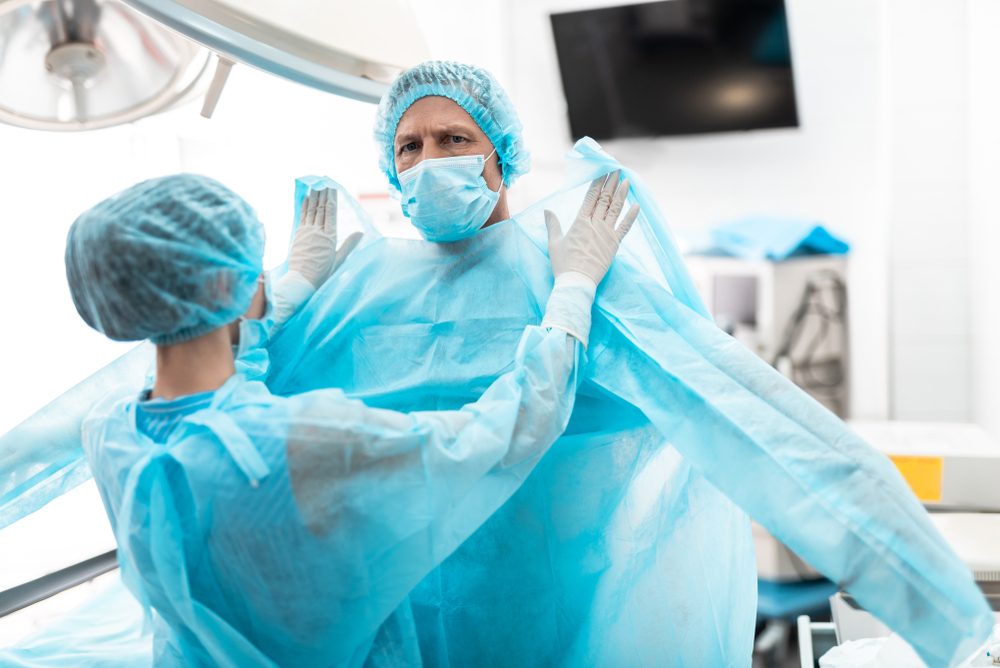
Medical Equipment
What Are Medical Devices?
Medical devices are instruments, machines, implants, or similar tools used in the diagnosis, prevention, monitoring, treatment, or alleviation of diseases or injuries.
They can be as simple as bandages or thermometers, or as sophisticated as MRI scanners or pacemakers.
Medical devices are commonly grouped by their main function:
- Diagnostic Medical Equipment
- Treatment Medical Equipment
- Monitoring Medical Equipment
- Assistive Medical Equipment
- Medical Imaging Devices
- Laboratory Equipment
The 8 Main Types of Medical Equipment
Medical equipment is provided by certified suppliers to hospitals and healthcare centers. Below are the eight key categories and their uses:
- Diagnostic Equipment
Used to assess a patient’s condition by detecting internal issues or abnormalities.
Examples: X-ray machines, MRI scanners, ultrasound devices, CT scanners, ECG machines.
- Laboratory Equipment
Used to analyze biological samples like blood or tissue under sterile conditions.
Examples: Microscopes, centrifuges, spectrophotometers.
- Treatment Equipment
Designed to assist in the treatment of illnesses or injuries through medical interventions or therapies.
Examples: Infusion pumps, surgical lasers, dialysis machines, ventilators, defibrillators.
- Monitoring Equipment
Tracks vital signs and physiological parameters during procedures or ongoing care to ensure patient safety.
Examples: Blood pressure monitors, pulse oximeters, ECG monitors, glucose meters, Holter monitors.
- Assistive Equipment
Supports individuals with disabilities or physical limitations in performing daily activities.
Examples: Wheelchairs, hearing aids, crutches.
- Surgical Instruments
Precision tools used during surgical procedures for cutting, retracting, suturing, or manipulating tissue.
Examples: Scalpels, forceps, scissors, retractors, needle holders.
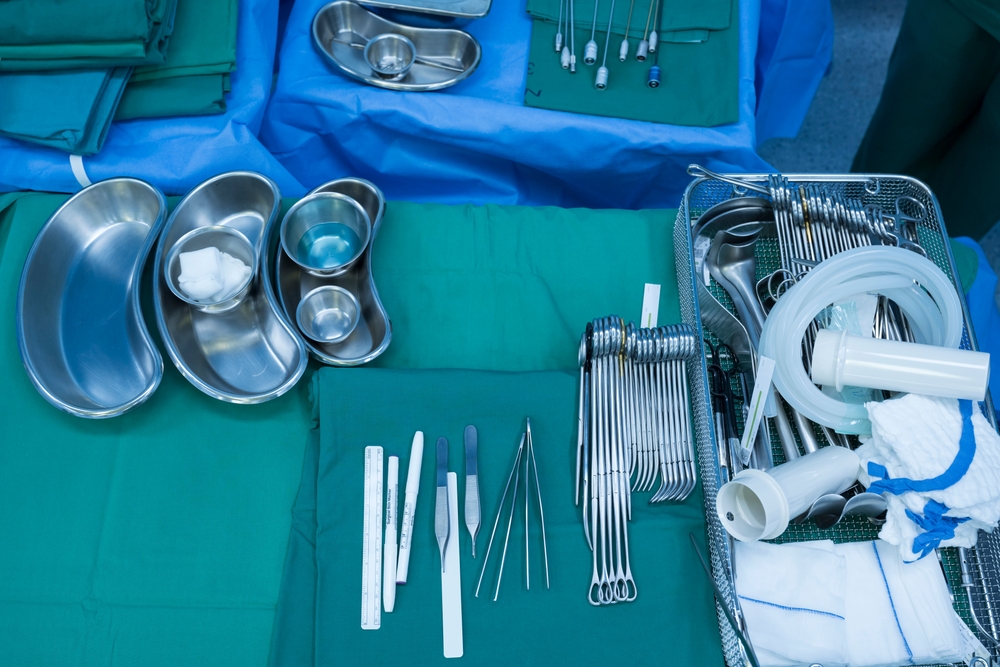
Surgical Instruments
- Rehabilitation Equipment
Aids in physical therapy and post-surgery recovery, helping patients regain mobility and strength.
Examples: Exercise bikes, parallel bars, traction devices, gait belts, walkers.
- Personal Protective Equipment (PPE)
Protects healthcare professionals and patients by preventing infection transmission.
Examples: Face shields, goggles, gowns, gloves, masks, shoe covers.
Medical Device Classification by Risk Level
Medical devices are also classified based on technological complexity, intended purpose, and patient risk level. While systems differ slightly by region, most follow a risk-based classification.
European Union (EU) Classes
- Class I – Low Risk
- Class IIa – Medium Risk
- Class IIb – Higher Risk
- Class III – High Risk
United States (US) Classes
- Class I – Low Risk
- Class II – Moderate Risk
- Class III – High Risk
Here’s a breakdown with examples:
- Class I – Low Risk
Non-invasive devices with minimal potential harm.
Examples: Bandages, stethoscopes, manual thermometers. - Class IIa – Medium Risk (EU-specific)
Require more regulatory control than Class I.
Examples: Dental fillings, diagnostic ultrasound devices. - Class IIb – Higher Risk (EU-specific)
More complex devices with increased potential risk.
Examples: Infusion pumps, mechanical ventilators. - Class III – High Risk
Life-supporting or life-sustaining devices that require the highest level of regulation.
Examples: Pacemakers, implantable defibrillators.
Medical Equipment vs. Medical Supplies
It’s important to distinguish between medical equipment and medical supplies:
- Medical Equipment: Durable, reusable devices used for diagnosis, treatment, or monitoring. Typically, high-cost items like ventilators or ECG machines.
- Medical Supplies: Disposable, single-use items consumed during patient care, such as gloves, syringes, and gauze.
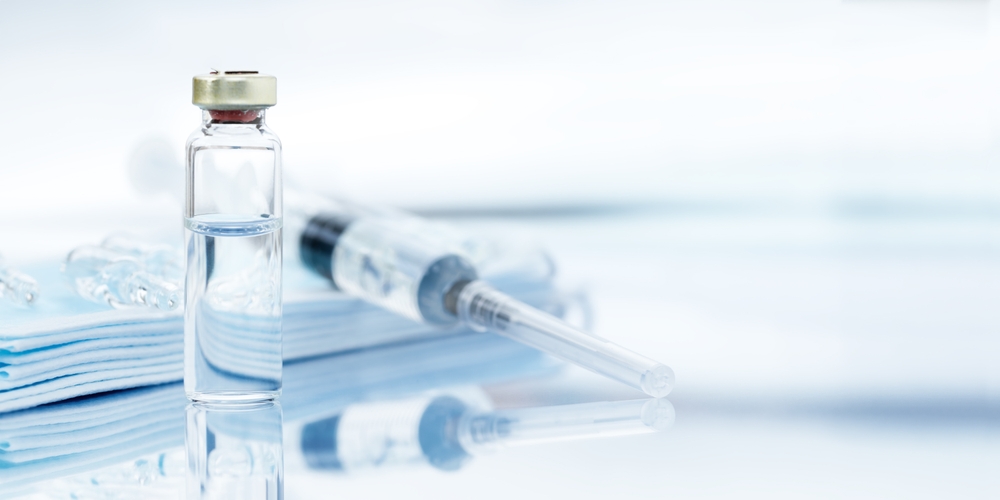
Medical Supplies
Commonly Used Medical Devices in Hospitals
Most Common Device: Patient Monitors
Patient monitors track vital signs like heart rate, blood pressure, oxygen saturation, and respiratory rate. They are essential in ICUs, emergency rooms, and surgical units.
Most Widely Used Equipment: Syringes
Syringes are indispensable across all hospital departments for administering medications, drawing blood, and performing procedures. They are available in both disposable and reusable forms.
Why Understanding Medical Devices Matters
A solid understanding of the different types and classifications of medical devices helps improve:
- Patient care and safety
- Clinical efficiency
- Treatment outcomes
With ongoing technological advancements, modern medical devices not only treat conditions more effectively but also enhance patients’ overall quality of life.


Leave a Reply
Want to join the discussion?Feel free to contribute!