

Pioneering Discoveries That Revolutionized Modern Treatment
Research Saves Lives
It’s a simple truth — research saves lives.
Our mission is to discover new cancer cures, but what’s truly remarkable about research is how one breakthrough can lead to another. Every discovery about how our cells, tissues, and organs work has the potential to unlock treatments for countless other diseases.
Why Medical Research Matters
Without medical research, there would be no breakthroughs — no new medicines, no innovative treatments, and no hope for the future.
From the paracetamol you take for a headache to the chemotherapy drugs that treat cancer, every medical advance begins in a lab. Let’s explore some of the most important discoveries that have transformed modern medicine — and continue to shape our lives today.

Medical Research
Breakthroughs That Changed the World
-
Antibiotics
In 1928, Alexander Fleming returned from holiday to find that a mysterious mold had destroyed the bacteria growing in one of his petri dishes. That mold turned out to be penicillin — and it changed everything.
By World War II, penicillin was saving hundreds of thousands of lives. It became the foundation for modern antibiotics, making complex procedures like open-heart surgery, organ transplants, and chemotherapy possible.
The 1940s to 1960s are often called the “golden age of antibiotics” — and these life-saving medicines remain essential today.
-
Vaccination
In 1796, Edward Jenner made history by creating the first successful vaccine — for smallpox. He noticed that milkmaids who caught cowpox didn’t get smallpox, inspiring him to test whether a milder infection could protect against a deadly one.
Smallpox went on to kill up to 500 million people during the 19th century. Yet, less than 200 years after Jenner’s discovery, the disease was completely eradicated.
Today, vaccination continues to save millions of lives every year.
-
Epidemiology
Known as the father of epidemiology, John Snow transformed how we understand and prevent disease. In the 1850s, he proved that cholera wasn’t caused by “bad air,” but by contaminated water from a pump in London’s Soho district.
His discovery founded a new field of science — epidemiology, the study of how and why diseases spread.
This approach remains vital for understanding cancer, helping researchers uncover the environmental, genetic, and lifestyle factors that influence who develops the disease and why.
-
Anesthesia
Before anesthesia, surgery was limited by how much pain a person could bear. On October 16, 1846, the first successful operation under anesthesia took place in Boston — a tumor removal that opened the door to modern surgery.
Today, anesthesia makes it possible to perform complex, life-saving operations — including many cancer surgeries — safely and effectively.
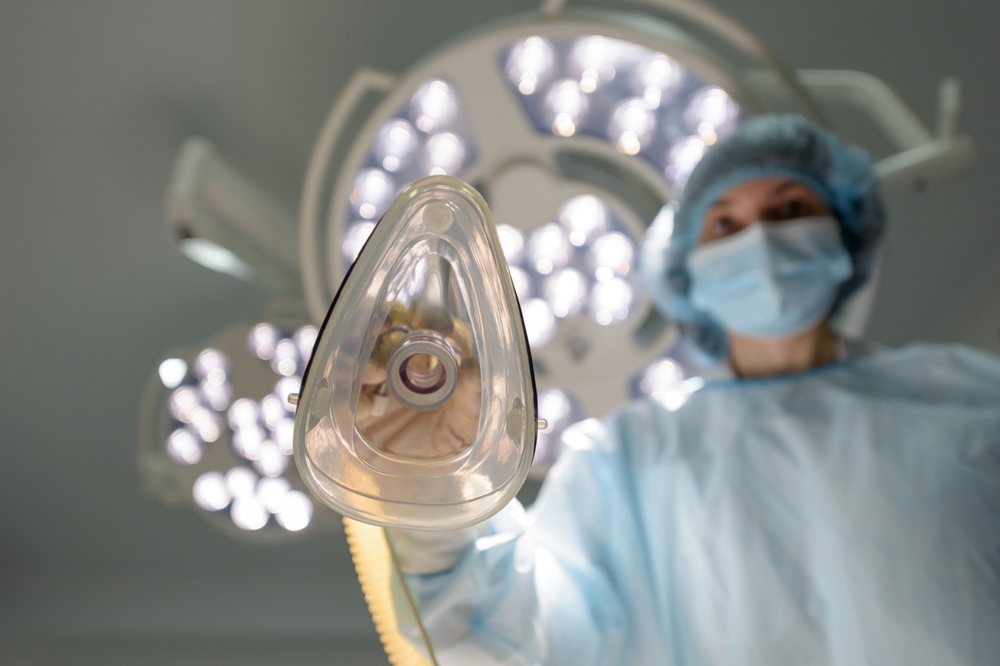
Anesthesia
-
Insulin
In 1921, scientists at the University of Toronto discovered insulin, the hormone that regulates blood sugar. Before then, a diagnosis of type 1 diabetes was almost always fatal.
The first patient received insulin in 1922 — and lived. This breakthrough transformed diabetes from a deadly condition into one that can be successfully managed.
Today, with improved treatments and technology, people with diabetes can live long, healthy lives.
-
Germ Theory
For centuries, people believed diseases came from bad air or “miasmas.” That changed in the 19th century, when Louis Pasteur and Joseph Lister proved that invisible microorganisms — germs — were to blame.
Lister went on to apply this discovery to surgery, introducing antiseptic techniques in 1865 that dramatically reduced infections and deaths.
Modern sterile practices — from handwashing to clean surgical tools — are built on their work.
-
Organ Transplantation
The first successful kidney transplant took place in 1954, performed by Joseph Murray. Within two decades, doctors were transplanting hearts, livers, and lungs.
A major leap came in 1984 with the discovery of cyclosporine, a drug that prevents the immune system from rejecting new organs.
Since then, more than 1 million organ transplants have been performed in the U.S. alone — giving patients around the world a second chance at life.
-
Medical Imaging
In 1896, William Conrad Roentgen discovered X-rays — and revolutionized how doctors see inside the body. Soon after came ultrasound, CT scans, and MRI.
These technologies allow doctors to diagnose conditions like tumors, cysts, and fractures without surgery. As imaging has advanced, so has our ability to detect diseases early — when they’re most treatable.
-
Antiseptics
Joseph Lister’s experiments with antiseptics introduced a simple but world-changing idea: cleaning surgical wounds and instruments could prevent deadly infections.
His discovery laid the foundation for the aseptic technique, now a cornerstone of modern medicine. Today, handwashing and sterilization save millions of lives every year.
-
3D Printing
Once a futuristic concept, 3D printing is now transforming healthcare. Developed in the 1980s by Chuck Hull, the technology is already being used to create custom prosthetics, dental implants, and even living tissues.
Researchers are now working toward printing fully functional organs — a development that could one day eliminate waiting lists and reduce the need for animal testing.
-
Heart Surgery
In 1967, Dr. Rene Favaloro performed the first coronary artery bypass graft (CABG), using a vein from a patient’s leg to bypass a blocked artery.
Since then, advances in minimally invasive and robot-assisted heart surgery have improved outcomes, reduced recovery times, and saved countless lives.
Today, thanks to medical innovation, deaths from heart disease have fallen dramatically around the world.
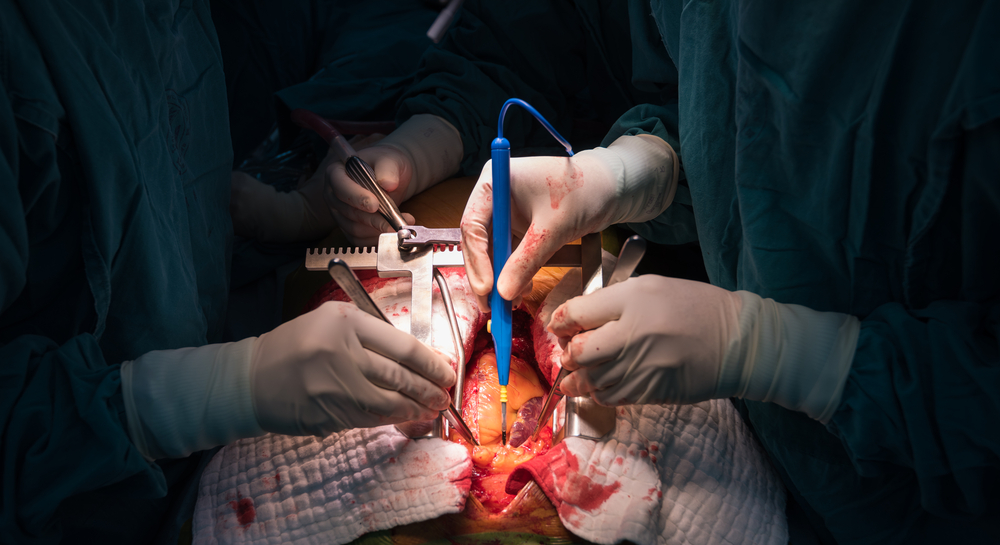
Heart Surgery
-
Gene Therapy
Gene therapy is one of the most exciting frontiers in modern medicine. The first successful trial took place in 1990, treating a child with a rare immune disorder.
Now, gene therapy is being used to restore sight and shows promise for treating cancer, heart disease, and inherited conditions like hemophilia and cystic fibrosis.
By targeting the problem at its genetic root, this approach has the potential to cure diseases once thought untreatable.
The Future Starts With Research
Every one of these breakthroughs began the same way — with a question, an experiment, and a belief that things could be better. Discovery research is the foundation of every medical advance. But none of it happens without people who choose to make a difference.


Leave a Reply
Want to join the discussion?Feel free to contribute!