

The Role and Advancements of Medical Equipment in Modern Healthcare
Medical equipment forms the backbone of modern healthcare, aiding in the diagnosis, treatment, and monitoring of patients. From the stethoscope to advanced robotic surgery systems, the evolution of medical devices has significantly enhanced the quality and efficiency of healthcare delivery.
Types of Medical Equipment
Medical equipment is broadly categorized based on its function:
- Diagnostic Equipment
Devices like X-ray machines, CT scanners, MRIs, and ultrasound systems allow healthcare professionals to visualize the internal structures of the body, facilitating accurate diagnosis. - Therapeutic Equipment
Instruments such as dialysis machines, ventilators, and infusion pumps support or replace critical body functions during treatment. - Surgical Instruments
Modern operating rooms are equipped with advanced tools, from simple forceps to complex robotic surgical systems, enabling precision and minimizing risks. - Monitoring Devices
Continuous monitoring systems, including ECG machines, blood pressure monitors, and pulse oximeters, provide real-time data to assess a patient’s condition. - Life Support Equipment
Ventilators, defibrillators, and heart-lung machines are essential for maintaining life in critical conditions.
Technological Innovations
The medical equipment sector has witnessed groundbreaking advancements:
- Artificial Intelligence (AI) and Machine Learning (ML)
AI is revolutionizing diagnostics, enabling devices to detect conditions like cancer at early stages with remarkable accuracy. - Wearable Health Devices
Smartwatches and fitness trackers monitor parameters such as heart rate, oxygen levels, and sleep patterns, empowering individuals to manage their health. - Robotics in Surgery
Robotic-assisted surgeries provide surgeons with enhanced dexterity and precision, resulting in shorter recovery times and reduced complications. - 3D Printing
This technology is used to create prosthetics, dental implants, and even bioprinted organs, offering personalized solutions to patients. - Telemedicine and Remote Monitoring
Portable medical devices now allow patients to undergo tests and consultations from home, improving access to healthcare.
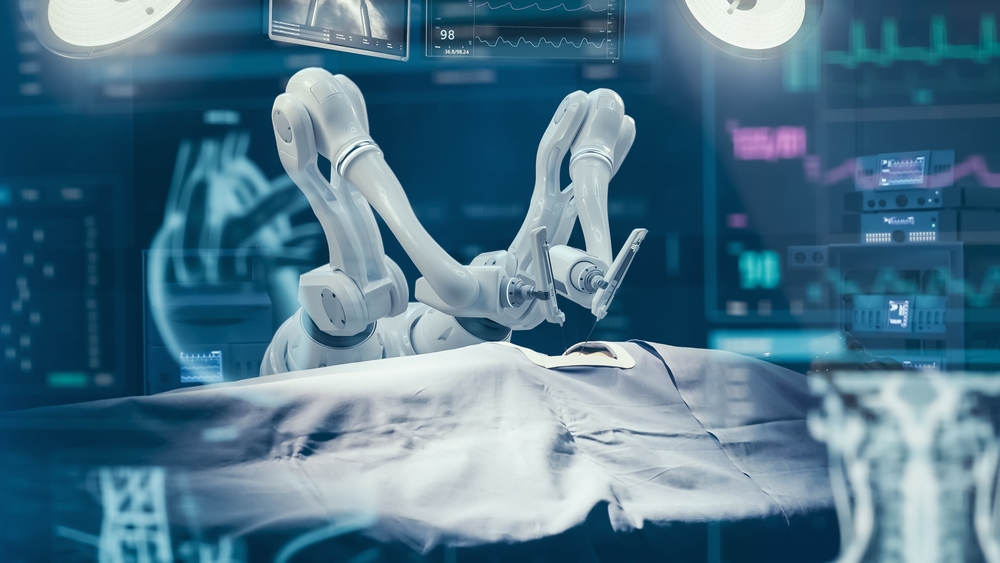
Robotics in Surgery
Challenges in the Medical Equipment Industry
While the advancements are remarkable, the industry faces significant challenges:
- High Costs
Cutting-edge equipment is expensive, limiting its accessibility in low-resource settings. - Regulatory Approvals
Devices must meet stringent regulatory standards to ensure safety and efficacy, which can delay their market entry. - Maintenance and Training
Complex equipment requires regular maintenance and skilled operators, posing challenges for smaller healthcare facilities.
Future of Medical Equipment
The future of medical equipment is intertwined with emerging technologies:
- Nanotechnology
Devices at the nanoscale may enable early disease detection and targeted drug delivery. - Integration with IoT (Internet of Things)
Smart devices connected through IoT can streamline healthcare processes and improve patient outcomes. - Sustainability in Design
Efforts are being made to develop eco-friendly medical equipment, reducing the environmental impact of healthcare.
Conclusion
Medical equipment continues to play a pivotal role in shaping the future of healthcare. Innovations are not only improving patient care but also democratizing access to advanced medical technologies. However, addressing challenges such as cost, accessibility, and training remains crucial to harnessing the full potential of these advancements.


Leave a Reply
Want to join the discussion?Feel free to contribute!