
The Best Medical Equipment: Advancing Healthcare in the Modern Era
The medical field relies heavily on advanced equipment to provide accurate diagnoses, effective treatments, and improved patient outcomes. From diagnostic tools to therapeutic devices, medical equipment continues to evolve, enhancing healthcare delivery. Below, we explore some of the best medical equipment across different categories and their impact on the healthcare industry.
1. Diagnostic Equipment
Efficient and precise diagnosis is the cornerstone of effective treatment. Here are some standout tools:
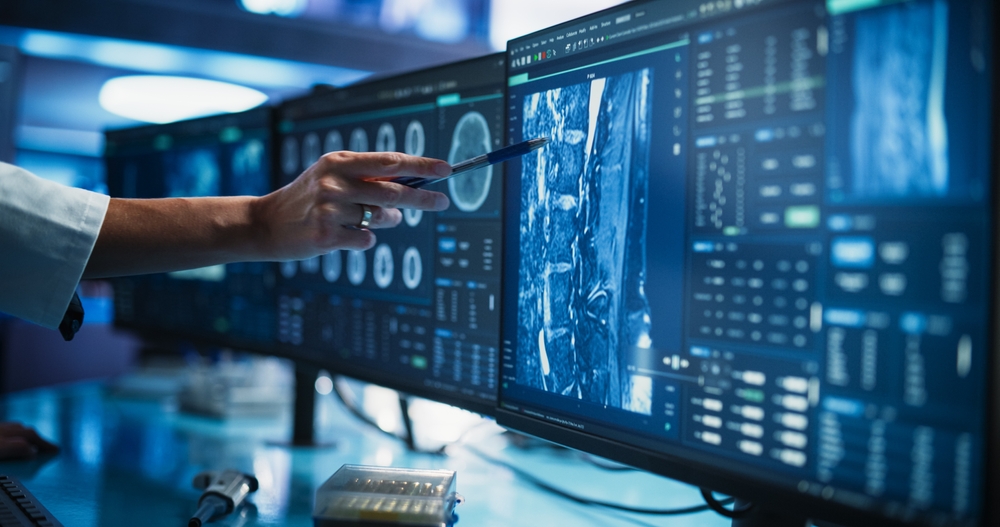
a. MRI Machines (Magnetic Resonance Imaging): MRI machines use strong magnetic fields and radio waves to produce detailed images of organs and tissues. Modern innovations include portable MRI units and AI-powered imaging for quicker and more accurate results.
b. CT Scanners (Computed Tomography): CT scanners offer cross-sectional imaging of the body, invaluable for diagnosing conditions like cancer, cardiovascular diseases, and internal injuries. Recent advancements include low-dose radiation CT scanners, reducing patient exposure while maintaining image quality.
c. Portable Ultrasound Devices: Handheld ultrasound devices are revolutionizing diagnostic practices, especially in remote or resource-limited settings. They provide real-time imaging for prenatal care, cardiac assessments, and more.
2. Therapeutic Equipment
Innovations in therapy devices have transformed treatment modalities.
a. Robotic Surgery Systems: Robotic-assisted surgery systems like the da Vinci Surgical System enhance precision, minimize invasiveness, and reduce recovery time. These systems are widely used in urology, gynecology, and general surgeries.
b. Dialysis Machines: For patients with kidney failure, dialysis machines are lifesaving. Modern machines are more compact and user-friendly, enabling home-based treatment.
c. Radiotherapy Equipment: Advanced radiotherapy systems like proton beam therapy target cancerous tissues with minimal damage to surrounding healthy tissues. These systems have significantly improved cancer treatment outcomes.
3. Patient Monitoring Systems
Continuous monitoring is critical for patients in intensive care units (ICUs) or with chronic conditions.
a. Wearable Health Monitors: Devices like ECG patches, glucose monitors, and pulse oximeters provide real-time data, allowing for proactive health management.
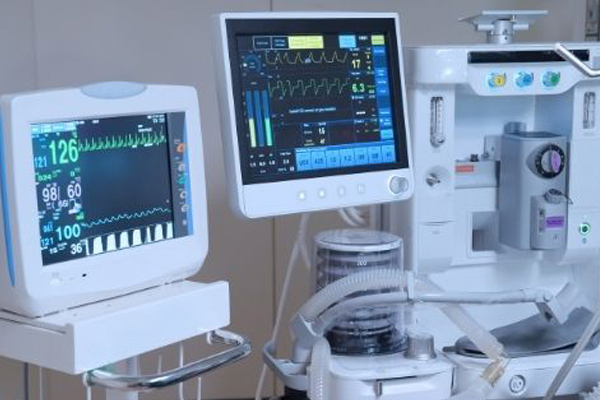
b. ICU Monitors: ICU monitors track vital signs such as heart rate, oxygen saturation, and blood pressure. Integration with AI algorithms can predict potential health deterioration, enabling timely intervention.
Patient Monitoring Systems
4. Life Support Equipment
Life support systems are vital for critically ill patients.
a. Ventilators: Ventilators provide mechanical breathing support. During the COVID-19 pandemic, advanced ventilators with features like dual-patient support proved invaluable.
b. Defibrillators: Defibrillators restore normal heart rhythm in cases of cardiac arrest. Modern AEDs (automated external defibrillators) are portable, easy to use, and widely available in public spaces.
5. Laboratory Equipment
Laboratories underpin diagnostic accuracy.
a. PCR Machines (Polymerase Chain Reaction): PCR machines are crucial for detecting genetic material from pathogens. They became indispensable during the COVID-19 pandemic for virus detection.
b. Blood Analyzers: Automated blood analyzers deliver fast and accurate results for hematology and biochemistry tests, aiding in diagnosing a wide range of conditions.
6. Rehabilitation Equipment
Advancements in rehabilitation tools are enhancing the quality of life for patients recovering from injuries or surgeries.
a. Exoskeletons: Robotic exoskeletons assist patients with mobility impairments, helping them regain movement and independence.
b. Physical Therapy Devices: Modern physical therapy equipment, like virtual reality-assisted systems, makes rehabilitation interactive and engaging.
7. Emerging Technologies
Technological breakthroughs continue to push boundaries.
a. AI-Powered Devices: AI is transforming medical equipment by enabling predictive analytics, personalized treatment plans, and enhanced imaging accuracy.
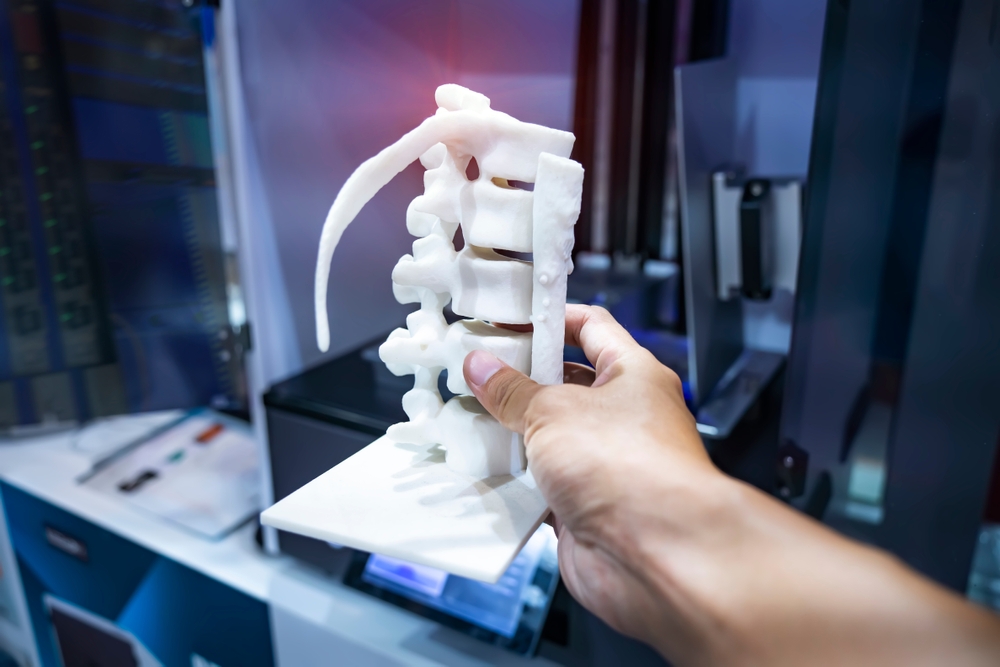
b. 3D Printing: 3D printing allows for the creation of customized prosthetics, implants, and even organ models for surgical planning.
c. Telemedicine Equipment: Telemedicine carts and portable diagnostic tools facilitate remote consultations, bringing healthcare to underserved areas.
Emerging Technologies
Choosing the Right Equipment
When investing in medical equipment, healthcare providers must consider:
- Reliability and Accuracy: Equipment should provide consistent and precise results.
- Ease of Use: Devices must be user-friendly for both medical staff and patients.
- Maintenance and Support: Reliable after-sales service and maintenance are essential for long-term performance.
- Cost-Effectiveness: Balancing quality and affordability ensures sustainable healthcare delivery.
Conclusion
The best medical equipment is not just about cutting-edge technology but also accessibility, reliability, and the ability to meet diverse healthcare needs. As innovation continues, these tools will play an even greater role in improving global health outcomes.


Leave a Reply
Want to join the discussion?Feel free to contribute!