
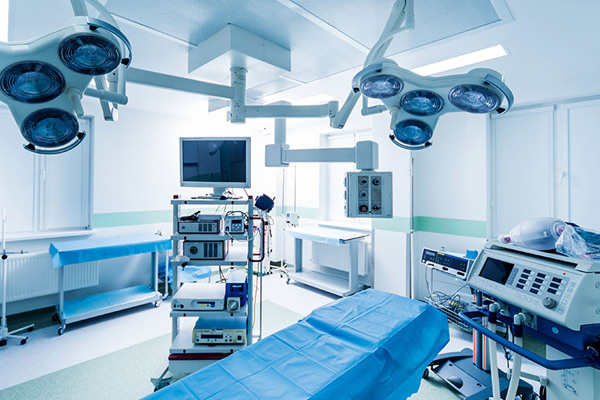
Hospital Equipment: A Crucial Backbone of Modern Healthcare
In the realm of modern healthcare, hospital equipment forms the cornerstone of medical diagnosis, treatment, and patient care. These tools enable healthcare professionals to deliver accurate diagnoses, effective treatments, and compassionate care. With the advancement of technology, hospital equipment has become increasingly sophisticated, improving patient outcomes and the efficiency of healthcare systems.
Categories of Hospital Equipment
Hospital equipment can be broadly categorized into diagnostic, therapeutic, monitoring, and support equipment.
1. Diagnostic Equipment
Diagnostic equipment helps healthcare professionals identify diseases and conditions. Examples include:
- X-ray machines: For imaging bones and internal organs.
- MRI and CT scanners: For detailed cross-sectional images of the body.
- Ultrasound machines: For imaging soft tissues and organs.
- Electrocardiograms (ECGs): To monitor heart activity.
These tools play a critical role in early detection and preventive medicine.

Diagnostic Equipment
2. Therapeutic Equipment
Therapeutic equipment aids in treating various conditions. Examples include:
- Infusion pumps: For administering medications and fluids.
- Surgical instruments: Such as scalpels, forceps, and retractors used in operations.
- Dialysis machines: For patients with kidney failure.
- Radiotherapy machines: For treating cancer.
Advances in therapeutic equipment have significantly enhanced the success rates of complex treatments.
3. Monitoring Equipment
Monitoring equipment ensures that patients’ vital signs and health conditions are continuously observed. Examples include:
- Patient monitors: For tracking heart rate, blood pressure, and oxygen levels.
- Fetal monitors: For monitoring the health of an unborn baby during pregnancy.
- Ventilators: For patients requiring respiratory support.
These devices are especially critical in intensive care units (ICUs) and during surgical procedures.
4. Support Equipment
Support equipment facilitates the overall functioning of a hospital. Examples include:
- Hospital beds: Adjustable beds for patient comfort and care.
- Wheelchairs and stretchers: For patient mobility.
- Sterilizers: To maintain hygiene and prevent infections.
Trends in Hospital Equipment
1. Integration of AI and Machine Learning
AI-powered diagnostic tools, such as automated image analysis, are enhancing the accuracy of diagnoses. AI also plays a role in predictive maintenance of hospital equipment, minimizing downtime.
2. Portability and Point-of-Care Devices
Portable equipment, like handheld ultrasound devices, allows for treatment at the bedside or in remote areas, improving access to care.
3. IoT in Healthcare
The Internet of Things (IoT) connects medical devices to centralized systems, enabling real-time data monitoring and improving response times.
4. Sustainability
Manufacturers are focusing on eco-friendly materials and energy-efficient devices to reduce the environmental impact of medical equipment.

Sustainability
Challenges in Hospital Equipment Management
Despite technological advancements, hospitals face challenges such as high costs of acquisition and maintenance, the need for regular updates, and compliance with stringent regulatory standards. Additionally, ensuring proper training for healthcare professionals to use advanced equipment is essential.
Conclusion
Hospital equipment is integral to the healthcare ecosystem, enabling precise diagnosis, effective treatment, and patient comfort. Continuous innovation and strategic investments in medical technology are crucial for enhancing healthcare delivery worldwide. As healthcare evolves, the role of hospital equipment will only become more pivotal in improving patient outcomes and supporting the demands of modern medicine.


Leave a Reply
Want to join the discussion?Feel free to contribute!